
Scott System
Scott System
Case Study

The Lackawanna Cutoff is a historic rail corridor in New Jersey, and its rehabilitation has brought new infrastructure demands along the route. At the Andover Station, a new culvert required precast concrete formwork engineered for both dimensional precision and production efficiency.
Scott System collaborated with LHV Precast to design and fabricate custom EPS foam culvert formwork for the precast concrete construction. The solution was built around a reusable form strategy that allowed the same set of forms to serve both sides of the culvert, reducing material requirements without compromising accuracy or surface quality.

Culvert formwork must maintain precise geometry under concrete pressure and remain efficient across repeated uses. For a two-sided culvert, the most efficient solution is a single set of forms engineered for both applications. Traditional wood formwork often fails to deliver this flexibility, as it is prone to moisture, warping, and wear. These limitations introduce production risks where repeatable geometry and surface quality are required.

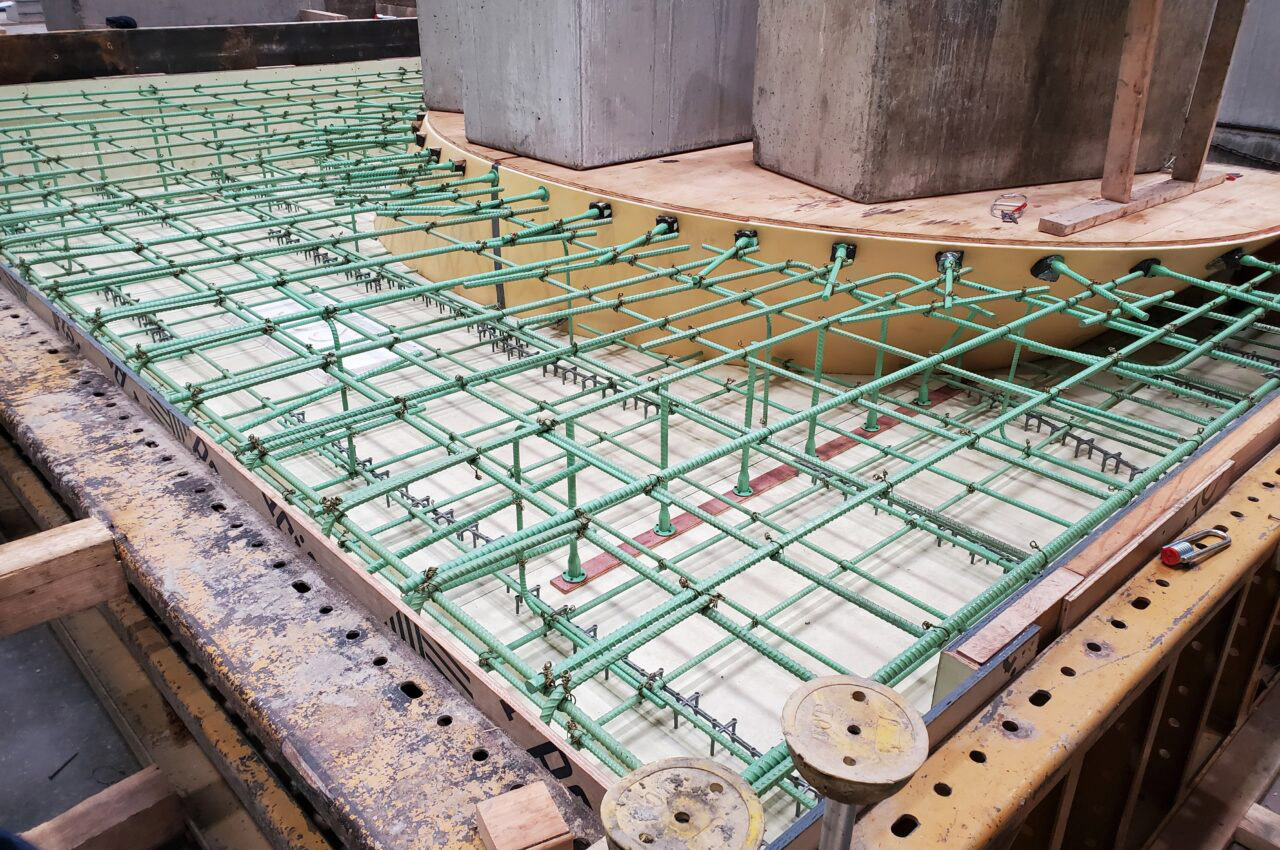

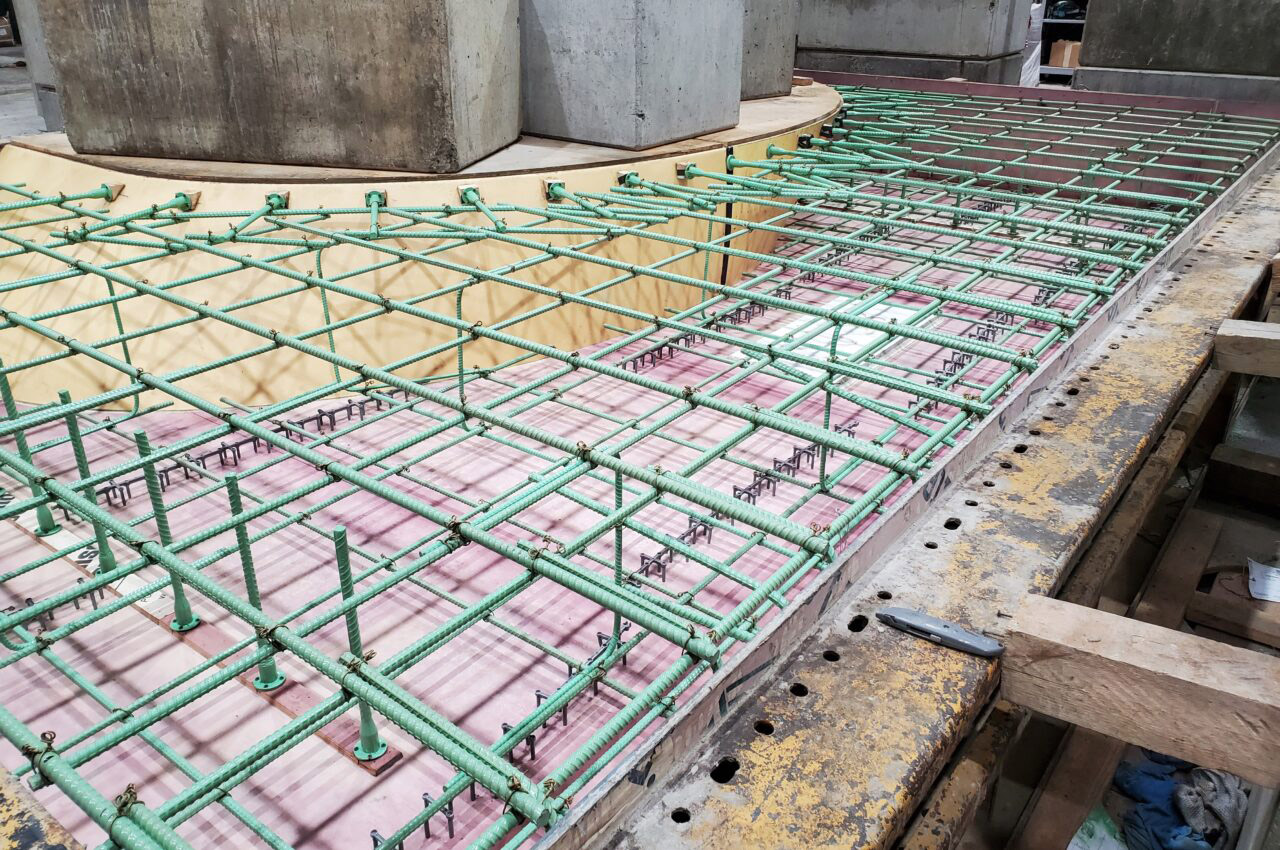
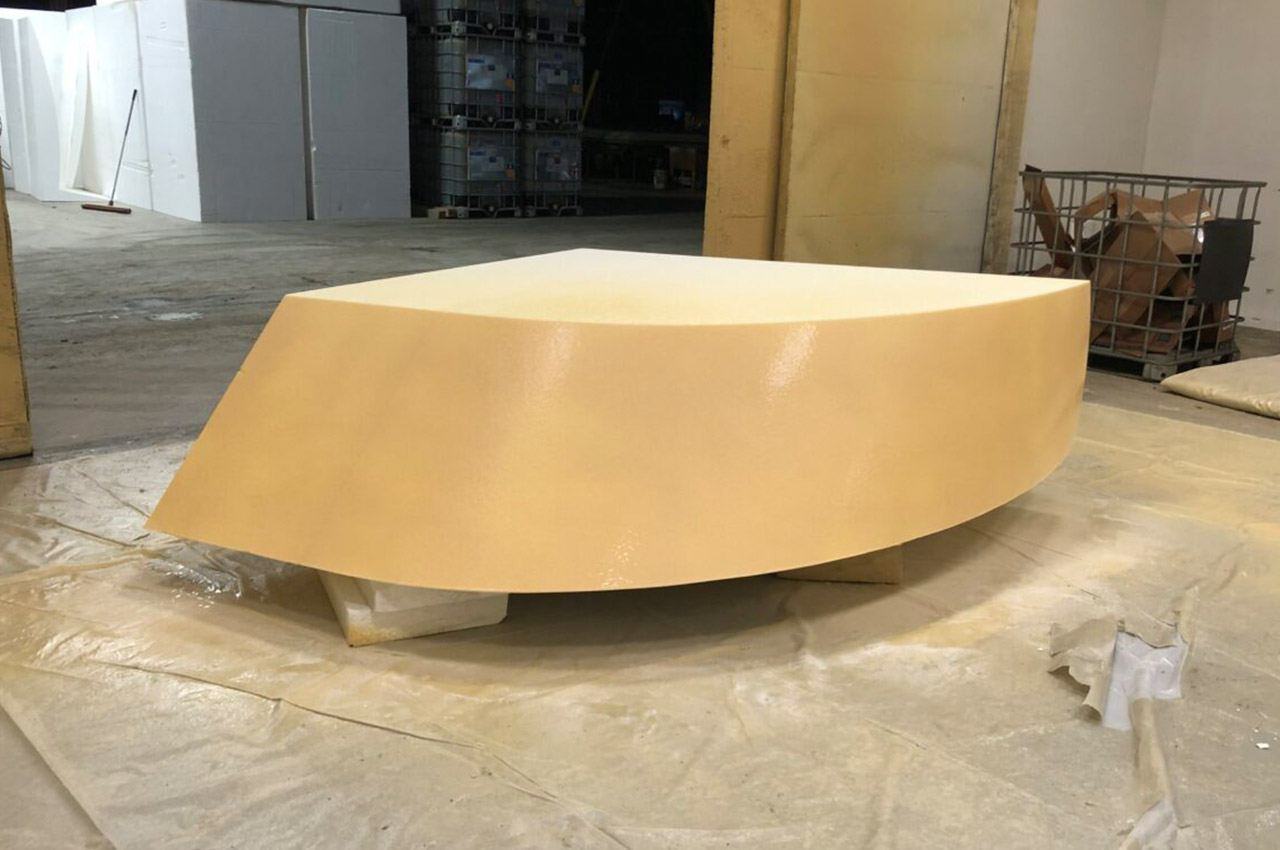
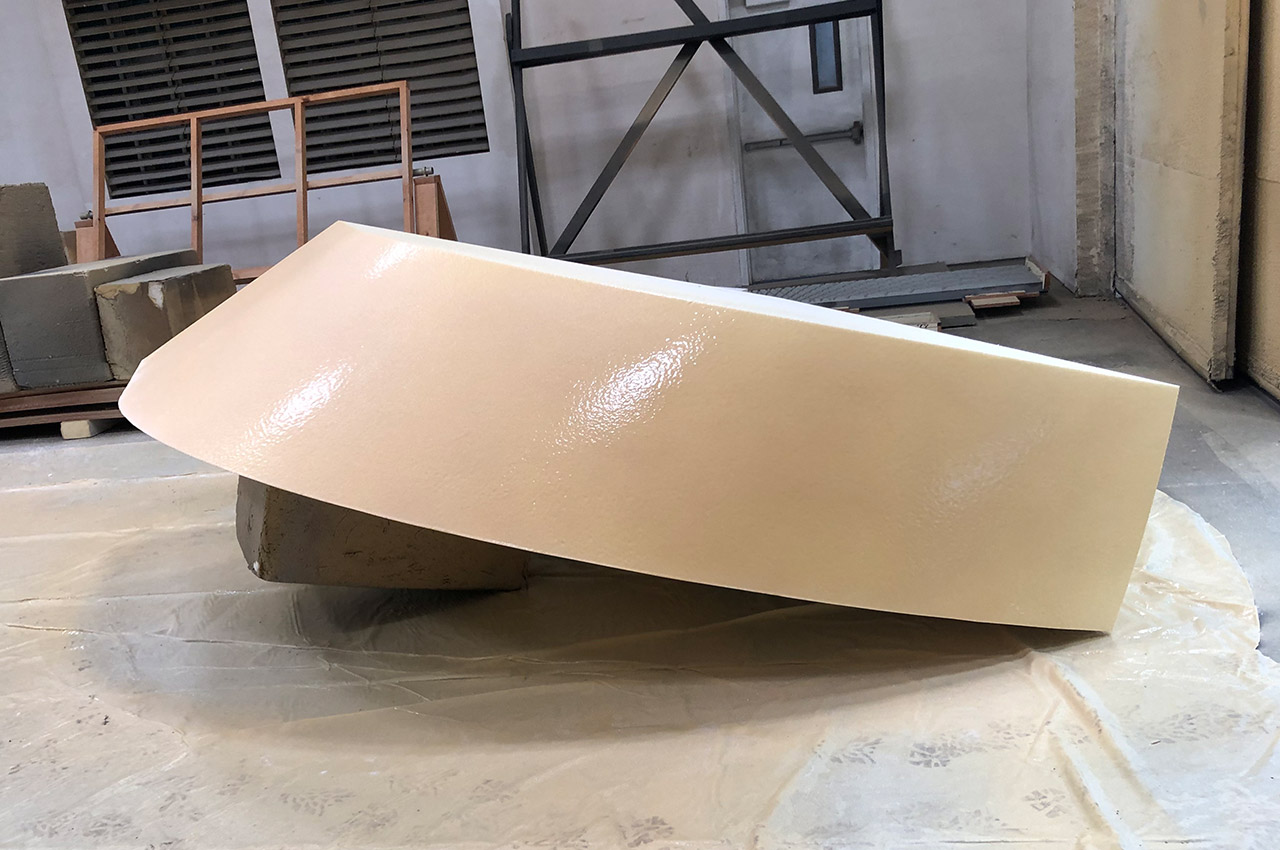
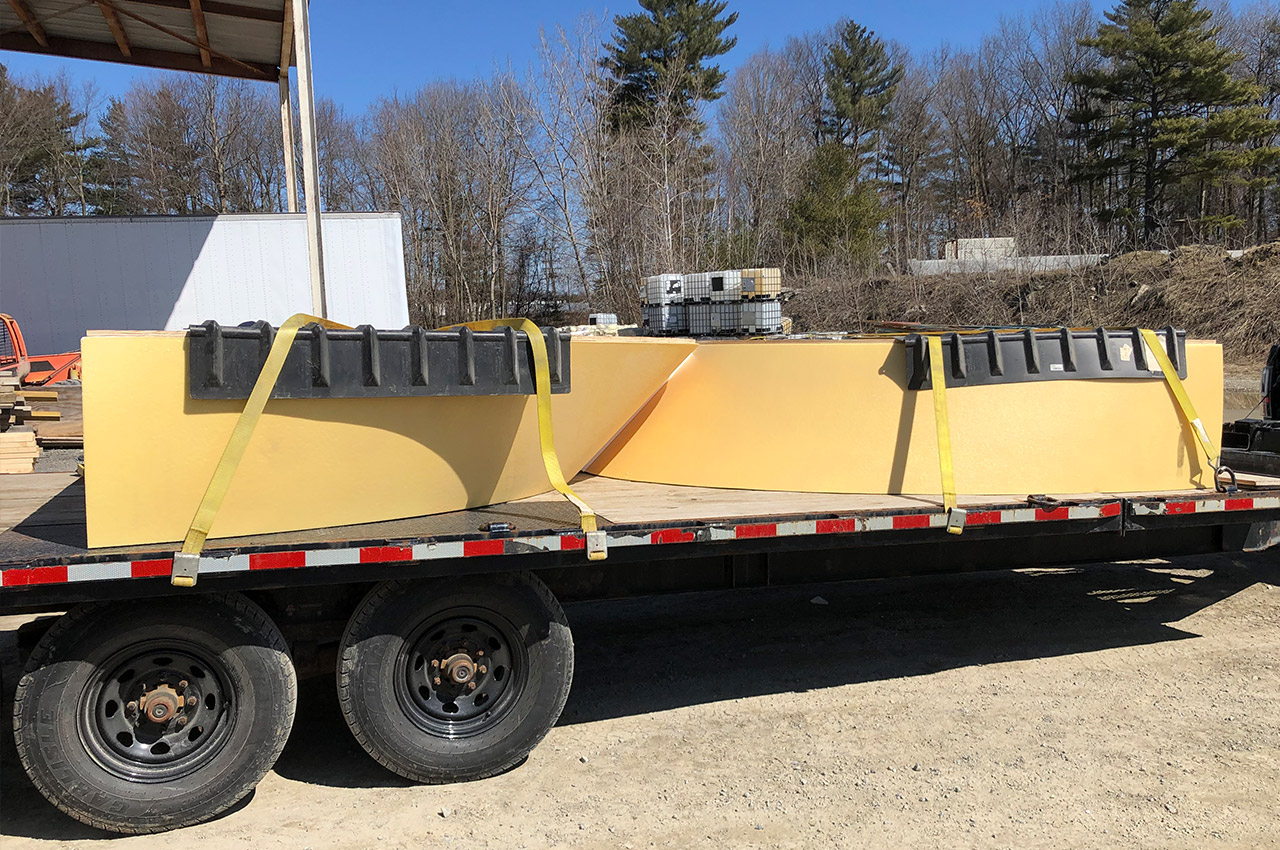
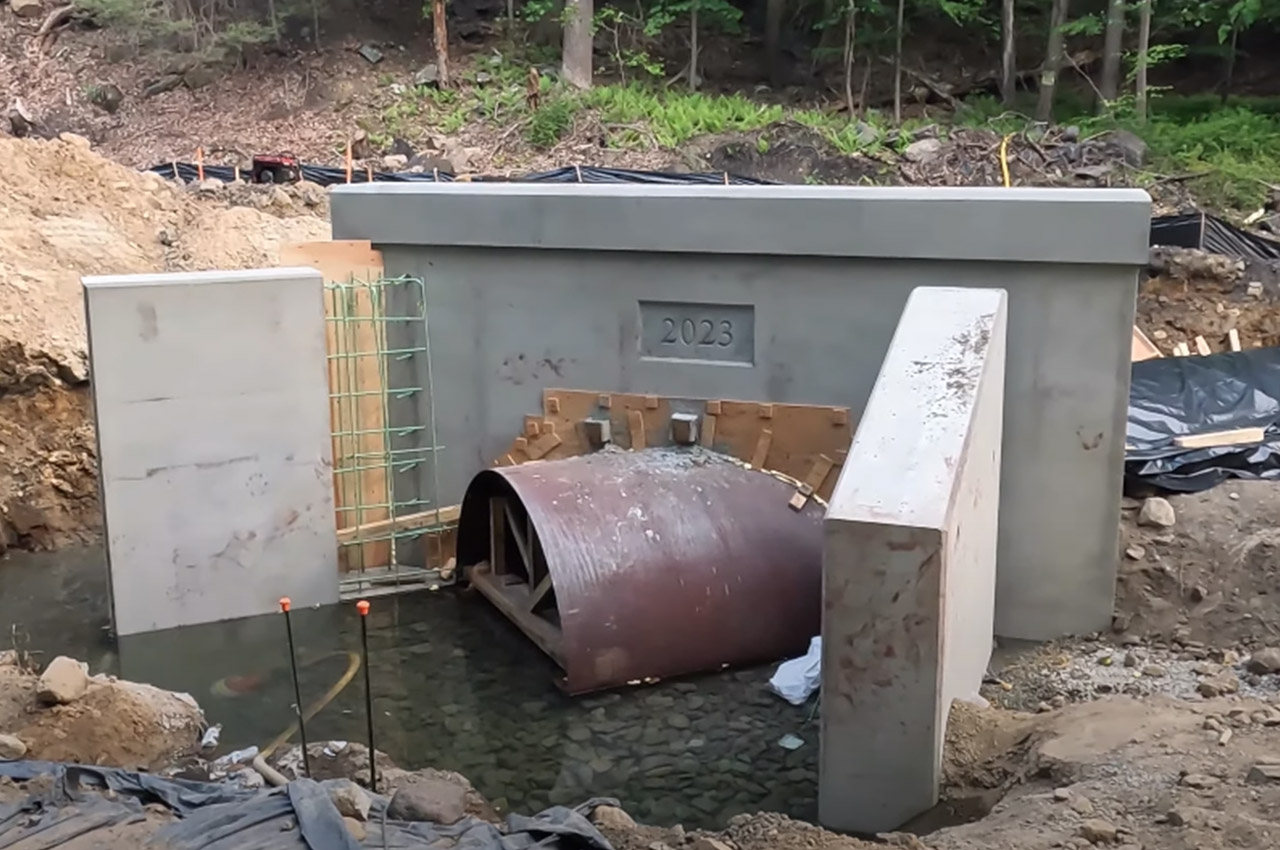

Scott System engineered custom void forms from 2.0-pound-density EPS foam, CNC-milled to the culvert’s dimensional specifications and coated with polyurethane on the casting face.

Custom EPS Foam Void Forms: 2.0# density, CNC-milled, engineered for reuse on both sides of the culvert.
Polyurethane Coating: Applied to casting face for durability and surface consistency across repeated pours.
The custom EPS void forms delivered precise, repeatable geometry across the culvert’s precast concrete construction, with a reusable form strategy that reduced material requirements and kept LHV Precast’s production process efficient. The polyurethane-coated casting face maintained surface quality through every pour, and the 2.0-pound-density EPS held its geometry through the demands of a precast production environment.
For infrastructure applications where formwork must be accurate, durable, and efficient across repeated use, Scott System’s CNC-milled EPS foam void forms offer a purpose-engineered alternative to conventional forming materials, built to the geometry the project requires and the production demands the precast process places on it.