
Scott System
Scott System
Case Study

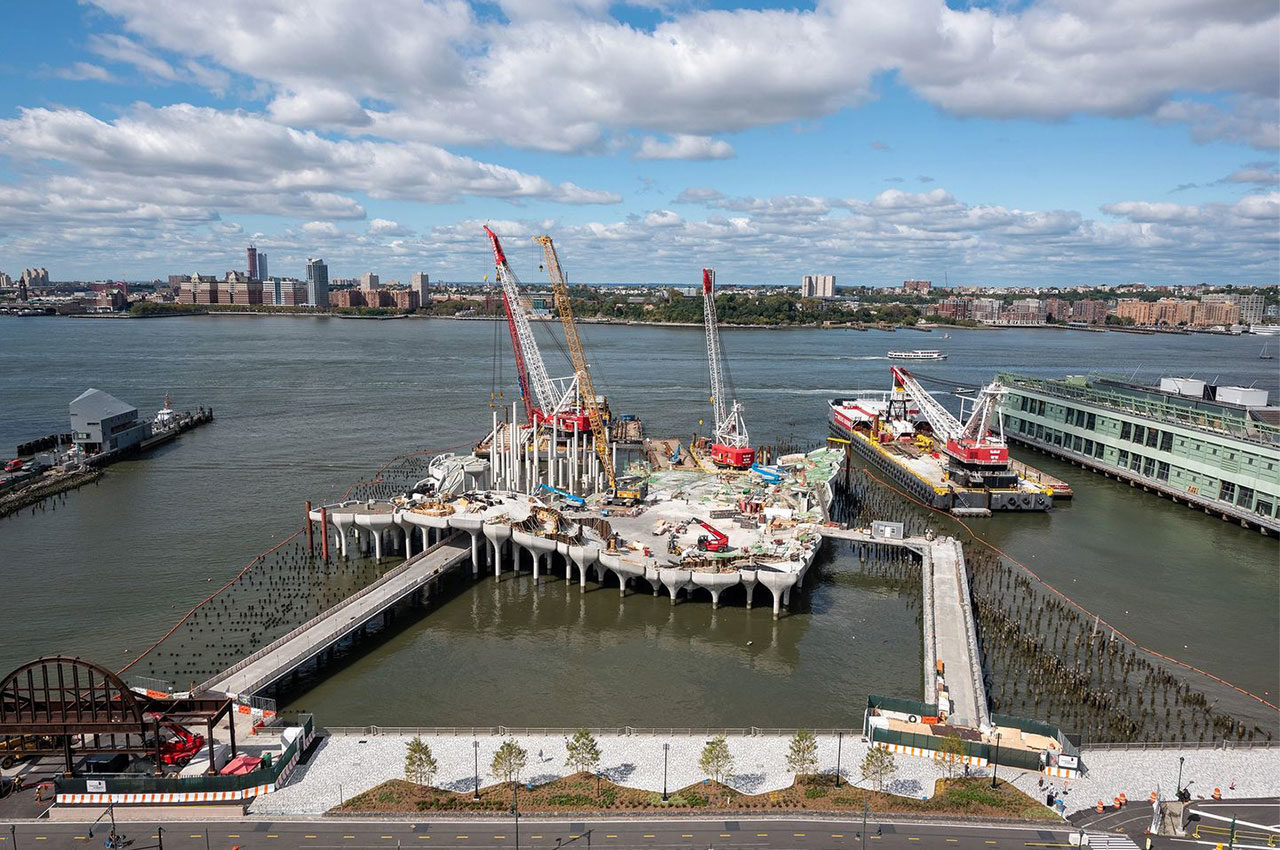
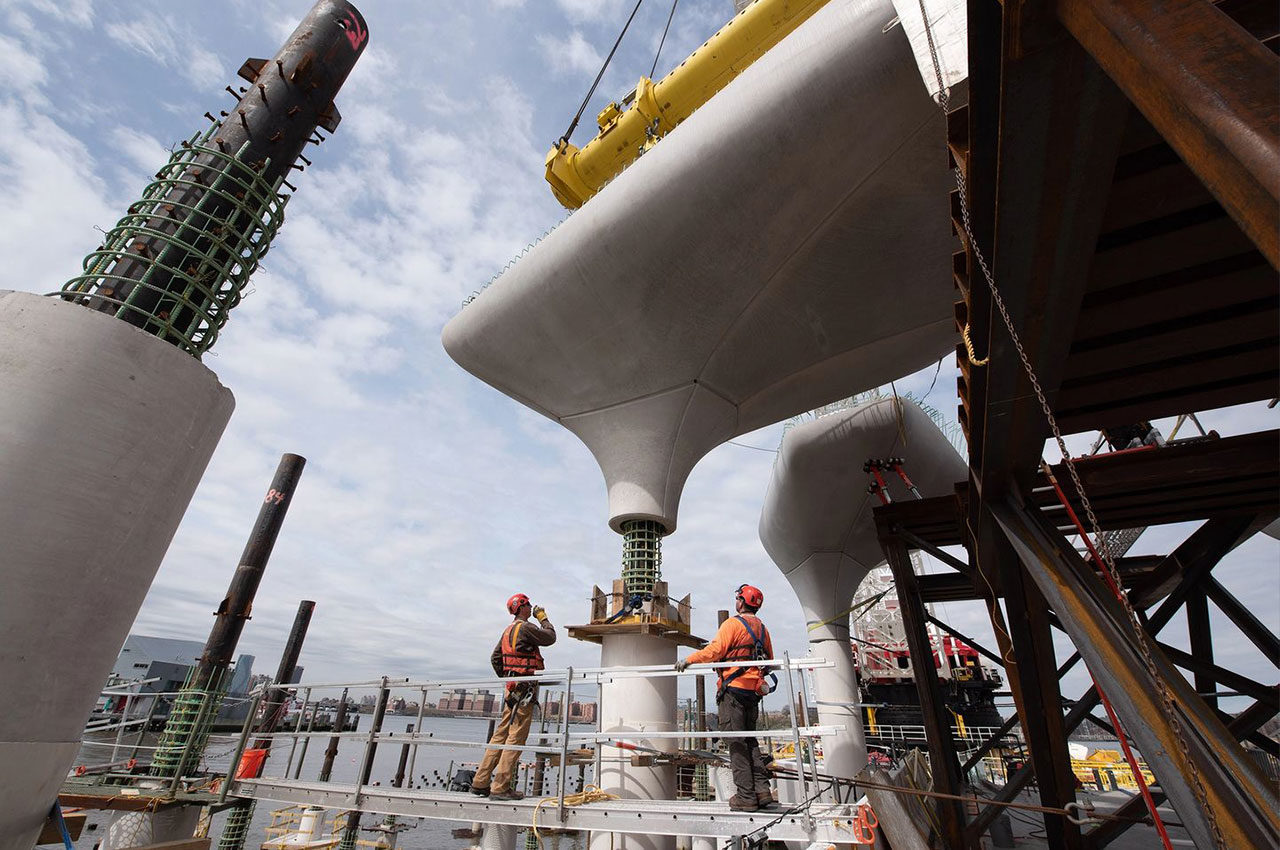
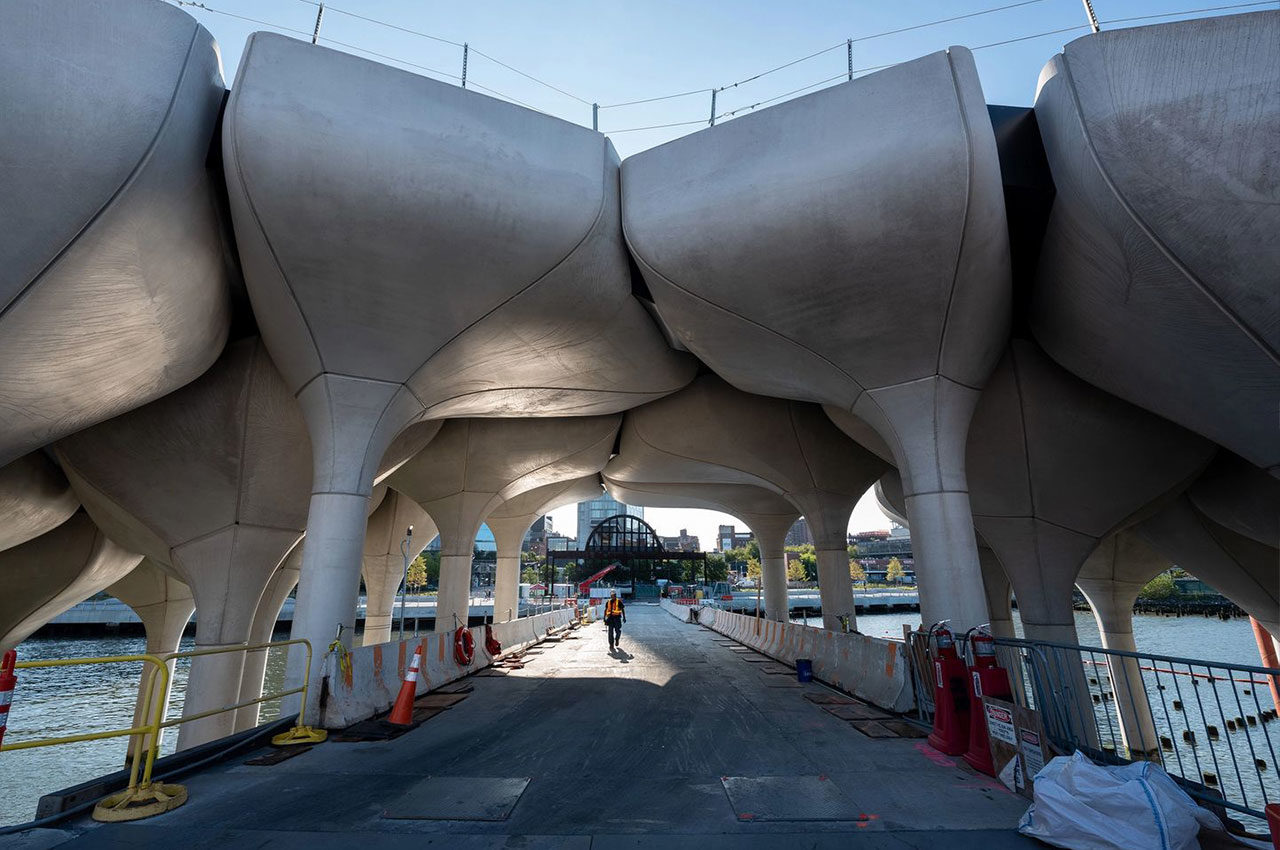
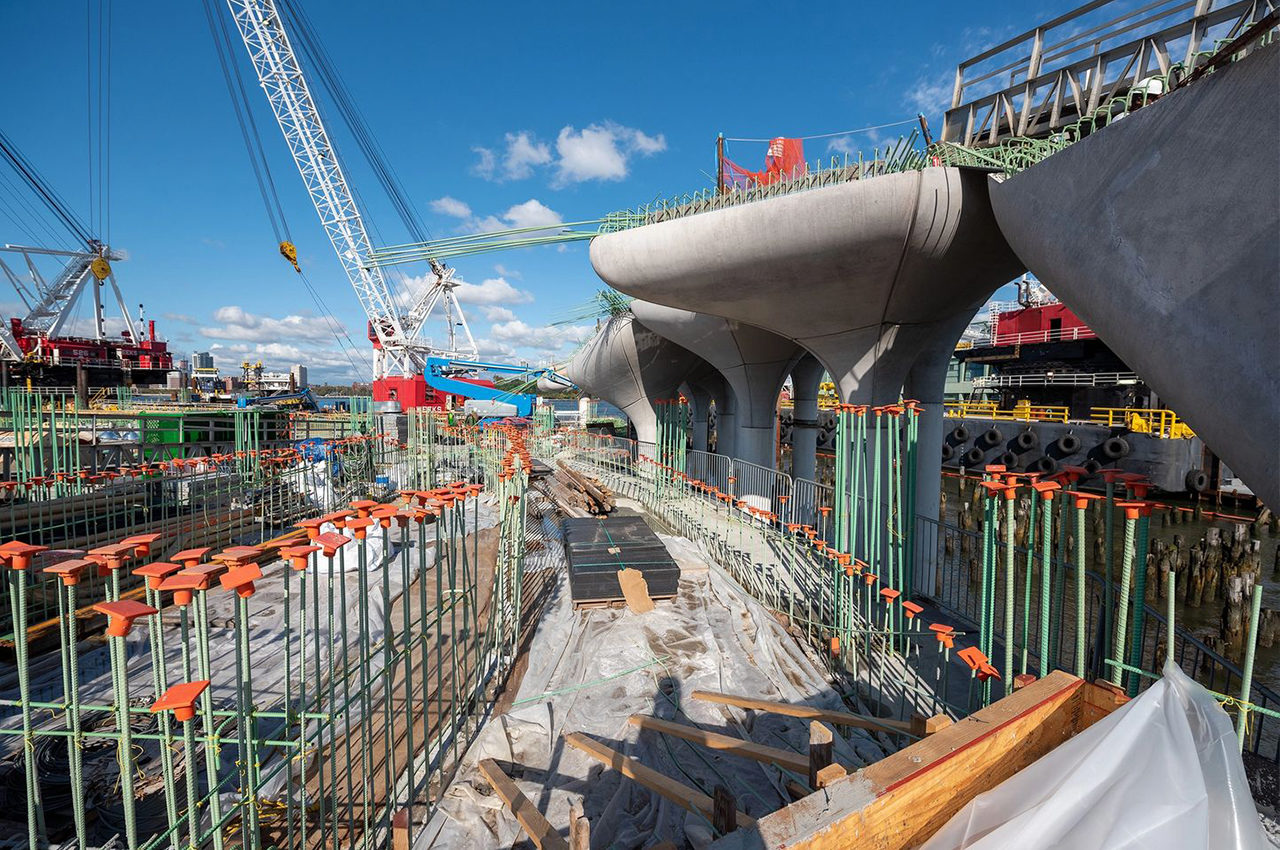
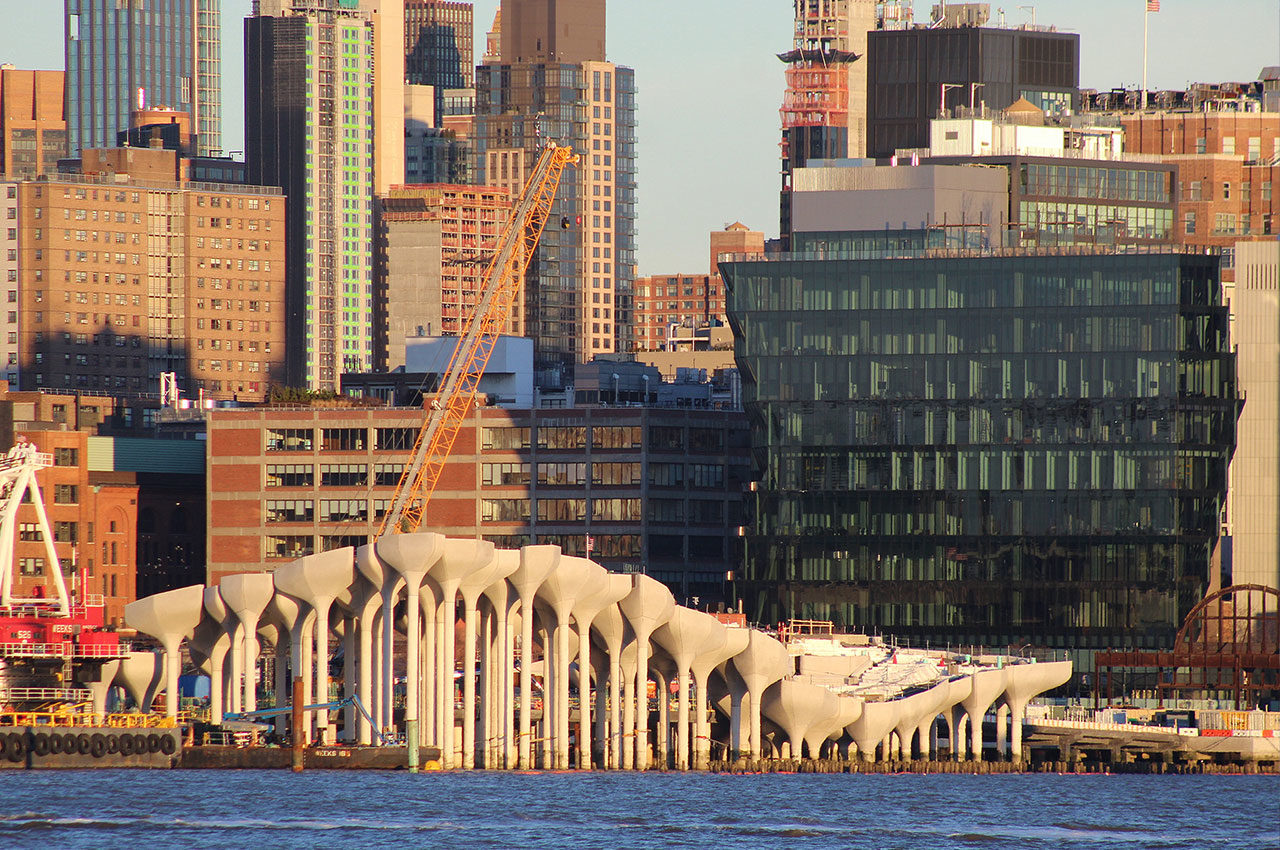
Little Island, formerly known as Pier 55, is a 2.4-acre elevated park perched above the water off West 13th Street in Manhattan, New York, balanced atop 132 tulip-shaped concrete pots anchored to pilings driven into the riverbed. Commissioned by business mogul Barry Diller, designed by Heatherwick Studio, and engineered by ARUP.
Each pot is proportioned differently to support the rolling hills and terraced lawns above, functioning as both the park’s structural system and its most unmistakable visual identity. Casting required precision, scale, and a fabrication partner who could produce 265 custom concrete forms — every single one unique — for The Fort Miller Co. Inc. to use at their upstate New York precast facility.
Scott System was that partner.

Little Island’s topography is intricate, with hills that climb, terraces that level off, and open lawns that slope toward the amphitheater. Every elevation change demanded a pot cast to a specific height and curvature. This meant that every mold had to support the landscape, increasing the scope to unique concrete bed mold forms and 45 unique column head molds for the pier cap forms.

Since the project involved a library, maximizing the life and reuse of each form was essential, directly solving the challenges of both high cost and lengthy production time. Getting the formwork precise was not just a manufacturing detail; it was the foundational condition for successfully realizing the entire sculptural landscape.

Since the project involved a library, maximizing the life and reuse of each form was essential, directly solving the challenges of both high cost and lengthy production time. Getting the formwork precise was not just a manufacturing detail; it was the foundational condition for successfully realizing the entire sculptural landscape.

Scott System proposed a 2 lbs. density EPS foam, CNC-milled to geometry and coated with high-pressure hydraulically sprayed Expanded polystyrene foam at that density is stable, lightweight, and machinable. The polyurethane coating was sprayed under high pressure directly onto the foam surface, hardening into a shell capable of withstanding concrete placement, resisting abrasion and moisture, and releasing cleanly after each pour.
Scott System’s engineering team started with digital design files. Detailed drawings and CAD files went to Fort Miller first, so every dimension was confirmed before foam was cut. Then production ran for all 300+forms, each one unique/built to correspond to a specific pot or column head in the finished park, delivered ready for the precast yard.

2-lbs. Density EPS (Expanded Polystyrene) Foam Formwork: CNC-milled to unique 3D geometries for each of the 265 bed mold forms and 45 column head molds
High-Pressure Hydraulically Sprayed Polyurethane Coating: Applied as a durable, reusable surface shell over the EPS foam substrate
Little Island opened in May 2021. New Yorkers showed up immediately, and the park has drawn visitors steadily ever since. The rolling hills, the planted terraces, the 700-seat amphitheater, the more than 100 species of trees and shrubs woven across 2.4 acres above the Hudson River, all of it rests on those 132 tulip-shaped concrete pots. The forms surpassed reuse guarantees, maintained geometry, and provided the necessary surface quality for this high-visibility project.
For Fort Miller, the partnership showcased how the right formwork enables precision, a tighter schedule, and fidelity to the design on complex, high-profile jobs. For Scott System, Little Island exemplifies the capability of custom EPS foam formwork, producing a park floating above a river, coined by many initial prospective bidders as inconceivable.