
Scott System
Scott System
Case Study

Starting with a photograph as the basis of design, Scott System sculpted and engineered a completely custom formliner system to recreate the historic log palisades of Fort Mose in concrete.
Located in St. Augustine, Florida, Fort Mose is recognized as the site of the first free Black community in what is now the United States. The reconstructed palisade walls help represent the fortifications that once protected the settlement and its free Black militia.

The project began with a photographic reference rather than an existing mold or manufactured pattern. Scott System needed to interpret the appearance of large vertical logs and create an original mold capable of reproducing that character in concrete.
The final system also needed enough support to withstand concrete pour pressure while remaining practical to secure the formwork in the field.

Rather than applying a generic wood texture, the goal was to develop a custom pattern based on the surrounding fencing and create a concrete interpretation appropriate for the reconstruction of this historically significant site.
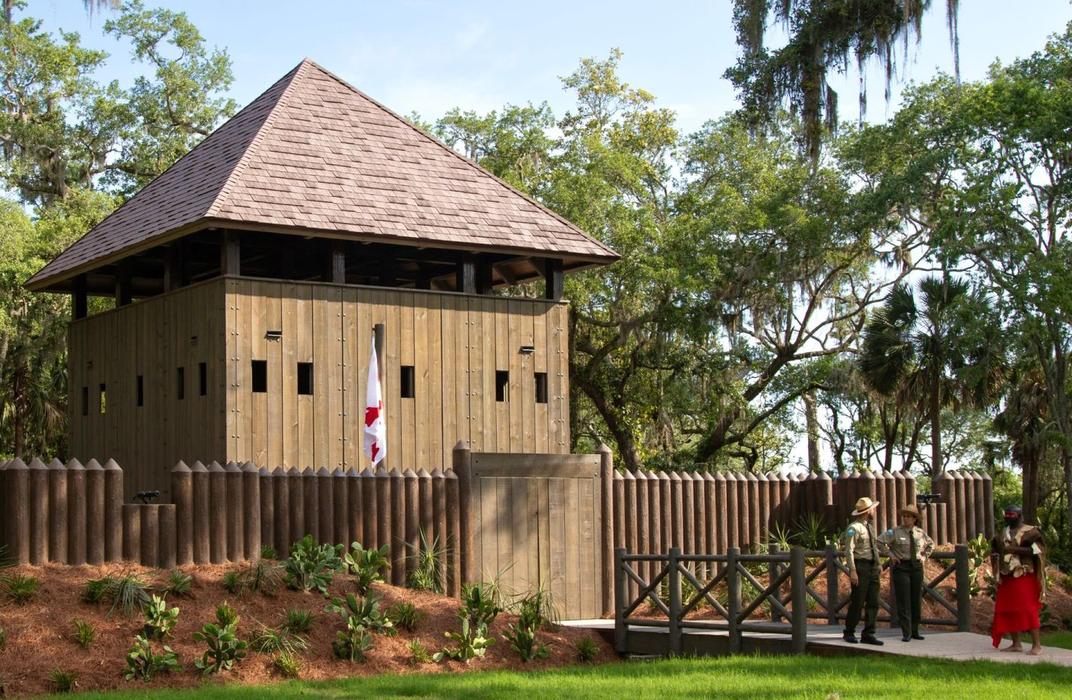
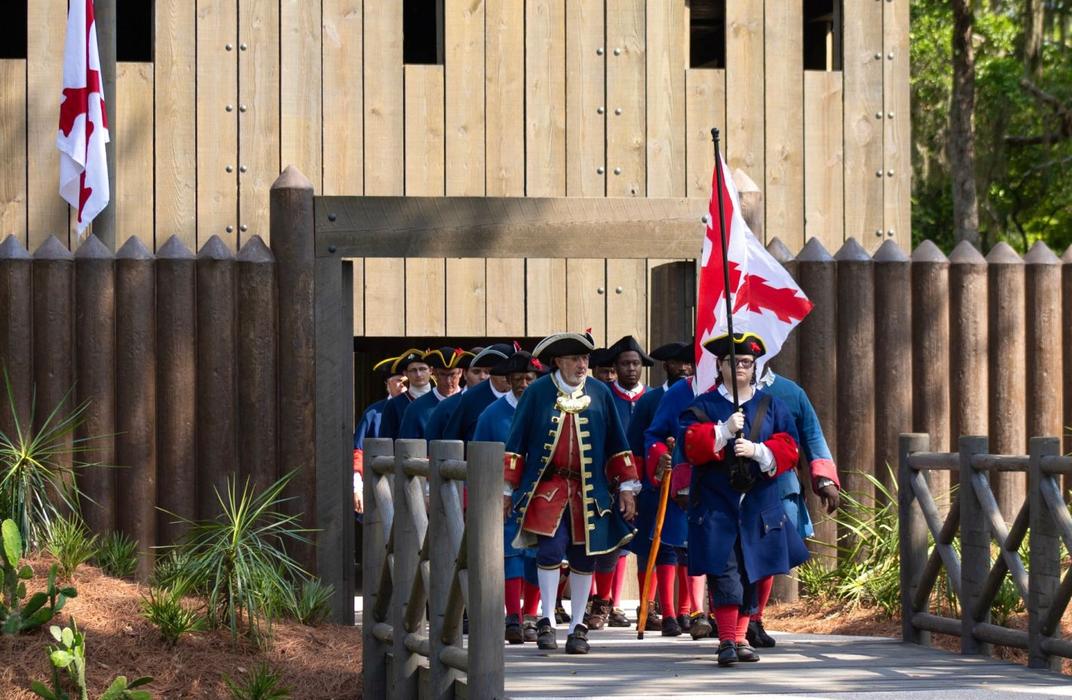
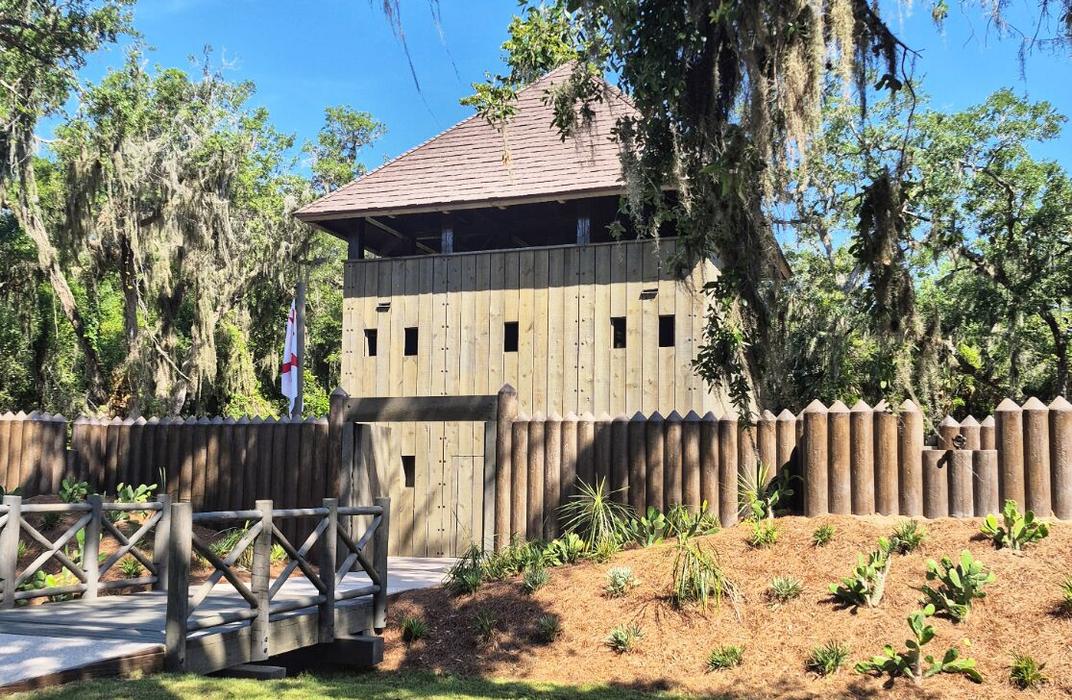

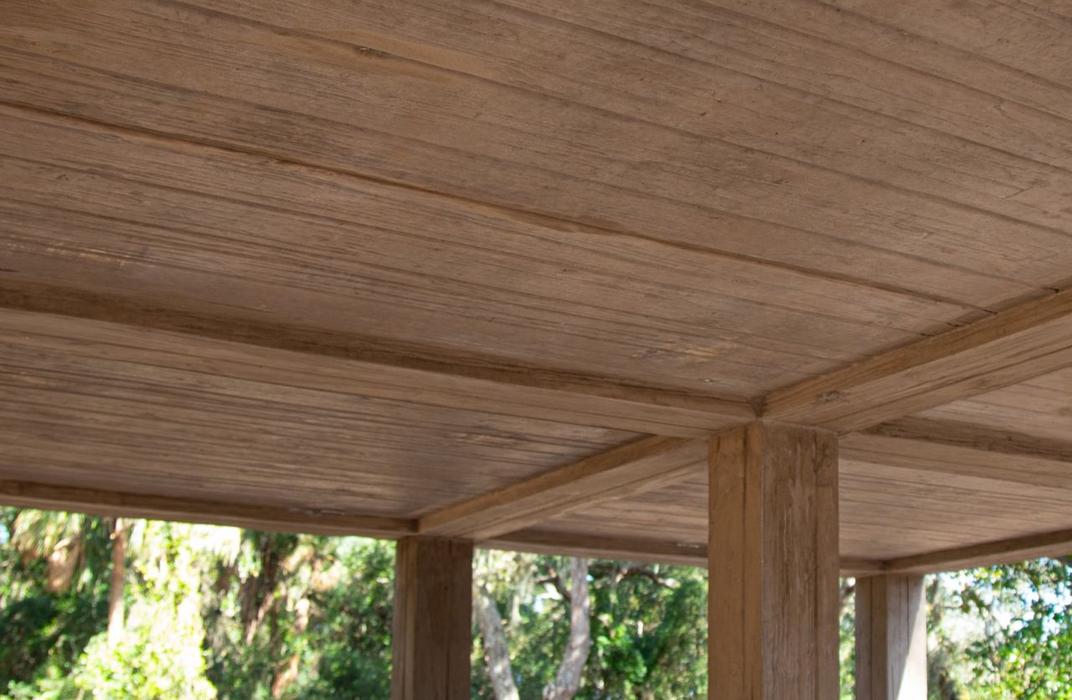
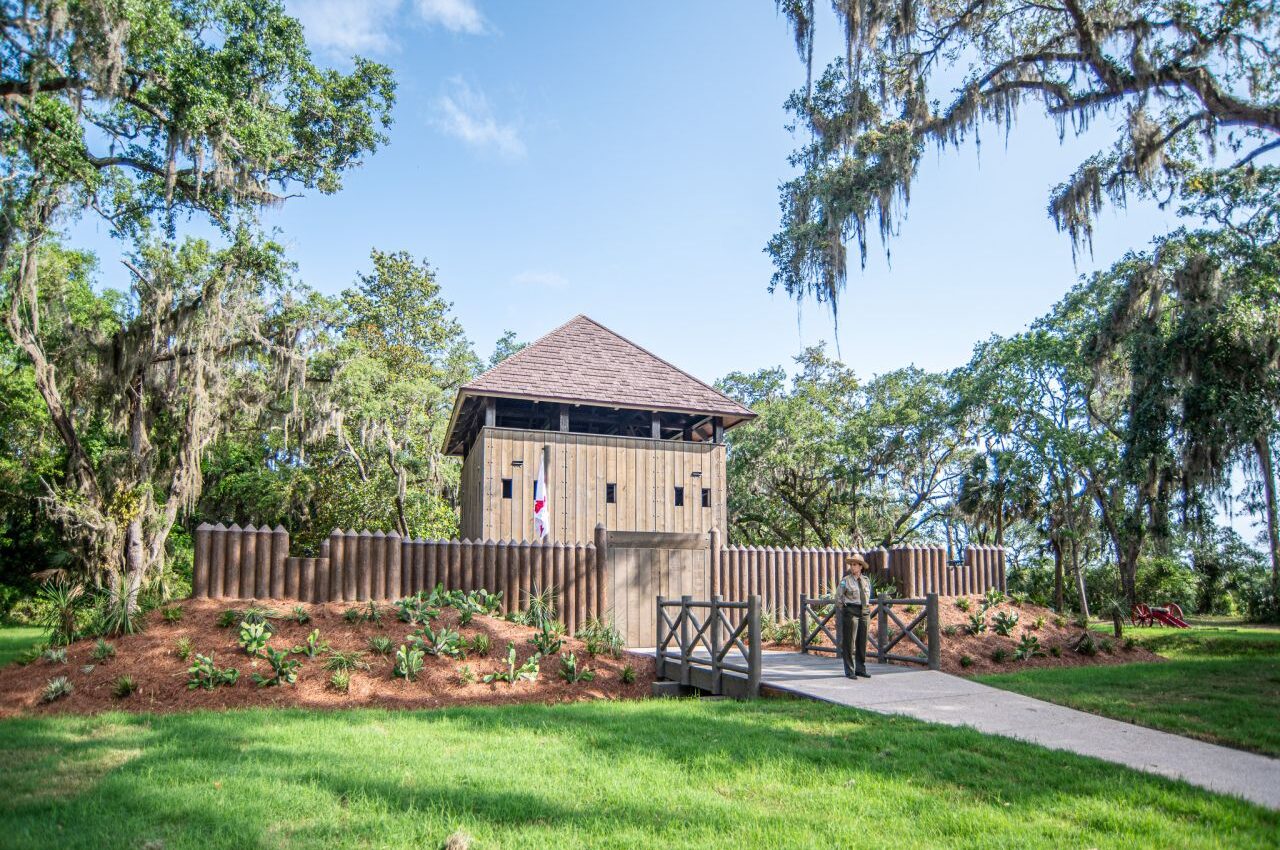

Scott System created the mold from scratch using clay sculpting, working from a photograph of surrounding fencing made from large logs. The team first sculpted 2′ x 2′ samples for review and approval by the architect. Once the design was approved, Scott System moved into full-scale mold fabrication.
The final system paired a low-use ABS plastic formliner with CNC wire-cut backing. The backing provided the support needed to withstand the pressure of the concrete pour while allowing the system to be securely attached to the formwork.

Custom ABS Plastic Formliner: Sculpted to recreate the appearance of the historic log palisades
CNC Wire-Cut Backing: Fabricated to reinforce the liner during the concrete pour
From an initial photograph to clay sculpture, approved samples and full-scale fabrication, Scott System developed a completely custom solution for Fort Mose’s reconstructed palisade walls. The finished concrete recreates the tall, tree trunk-like elements of the historic perimeter, contributing to the physical interpretation of a site recognized for its important place in American history.