
Scott System
Scott System
Case Study

Scott System worked side by side with artist Vicki Scuri to transform her flowing design into custom architectural concrete formliners, using hands-on R&D testing and design refinement to achieve her artistic vision.
Spanning the communities of Arlington and Alexandria, Virginia, the restored West Glebe Road Bridge incorporates art throughout its concrete barriers and metal railings. The patterns reflect the natural terrain, movement of water and people traveling through the surrounding communities.

Translating an artist’s original design into architectural concrete required more than simply reproducing a pattern. The depth, shape and finish of the relief all needed to capture Scuri’s artistic intent while producing a consistent result in concrete.
Scott System also needed to develop a mold-making approach that would maintain the character of Scuri’s previous work while adapting it to the requirements of the bridge restoration.

The barriers feature flowing patterns suggesting water, complemented by cut metal railings above. Together, the concrete and metal elements create a continuous visual language inspired by the natural terrain and movement of people through the site.
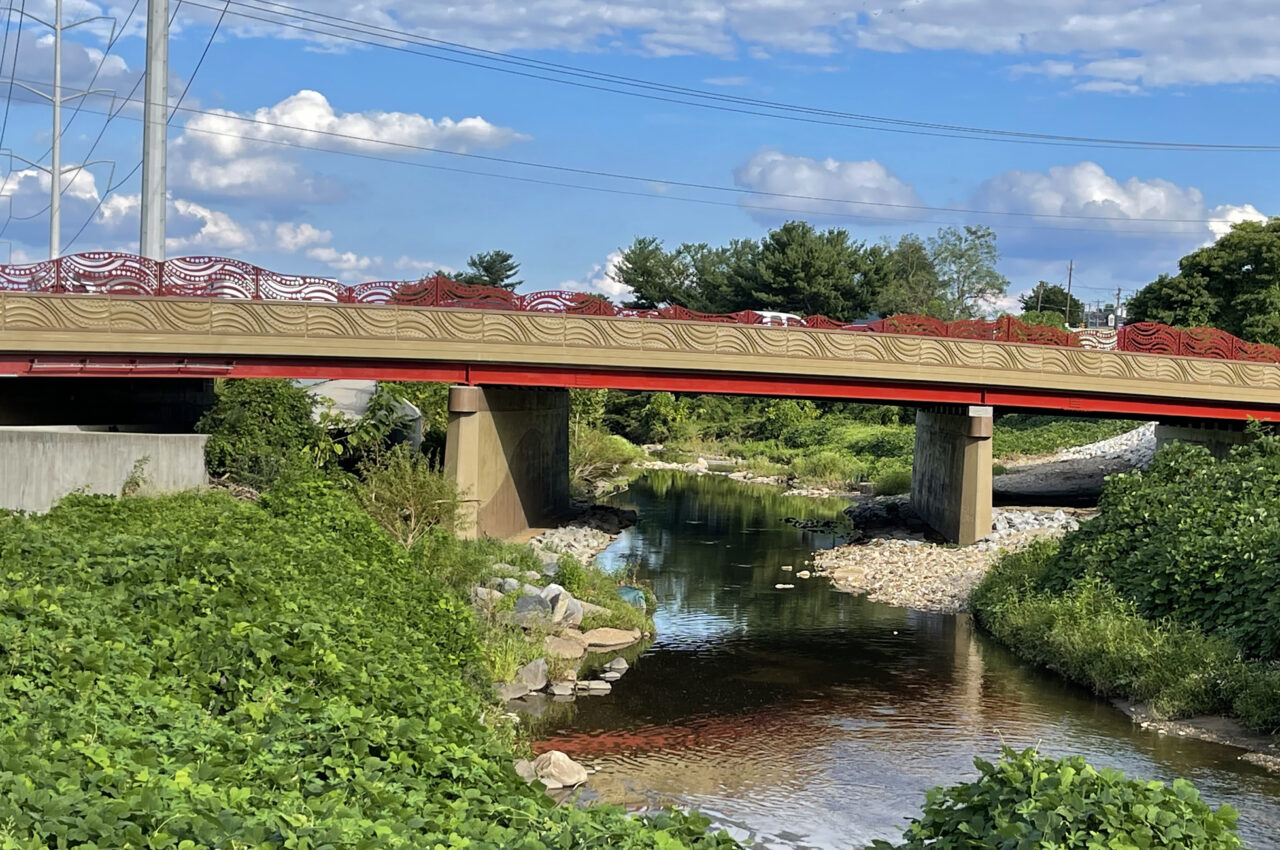

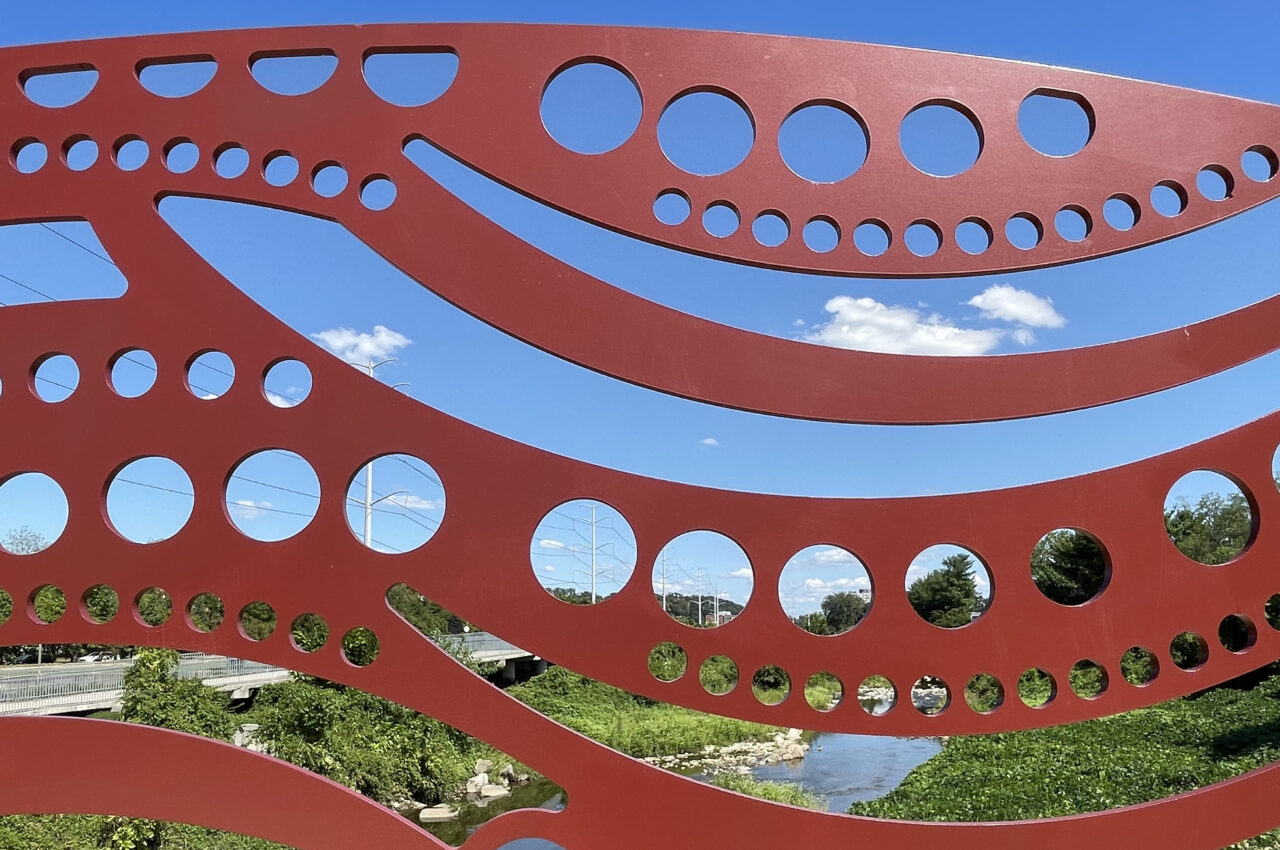
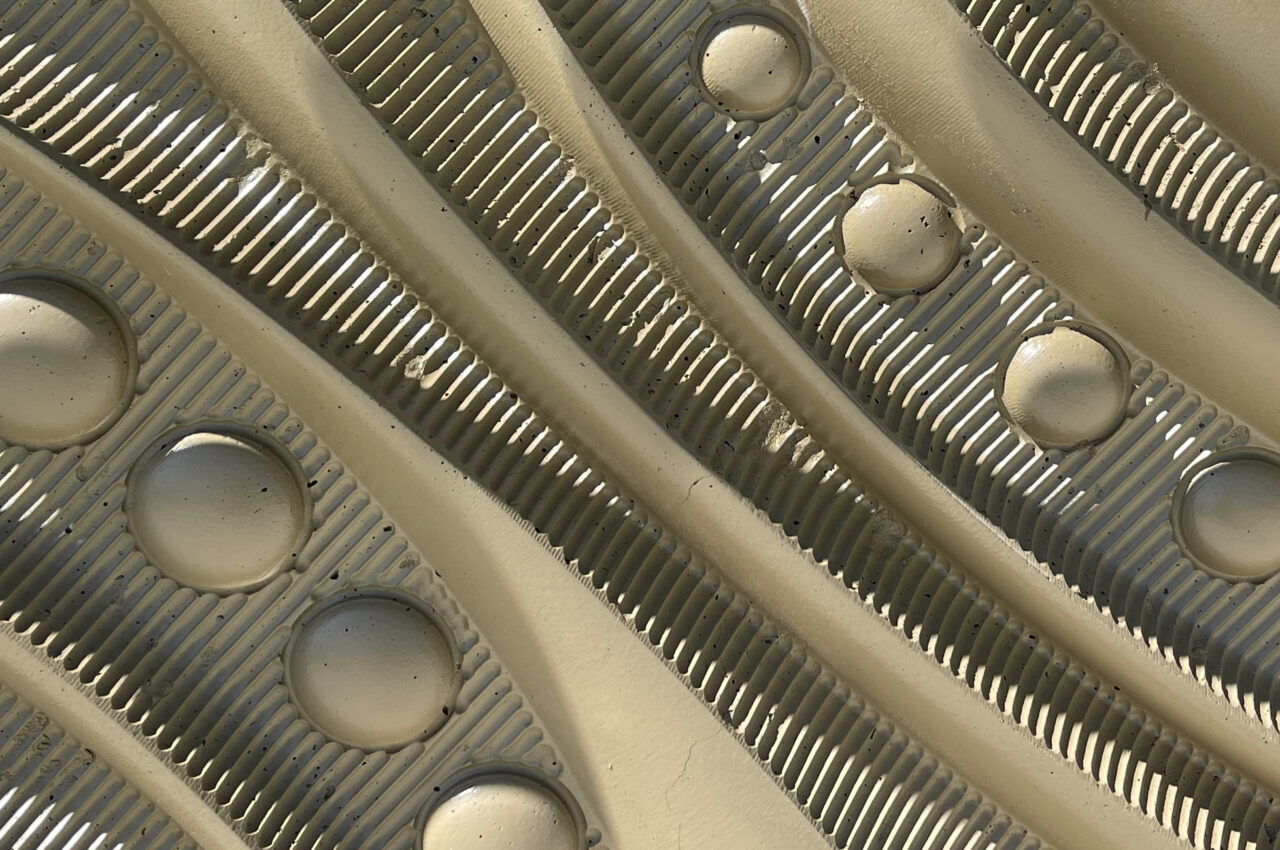
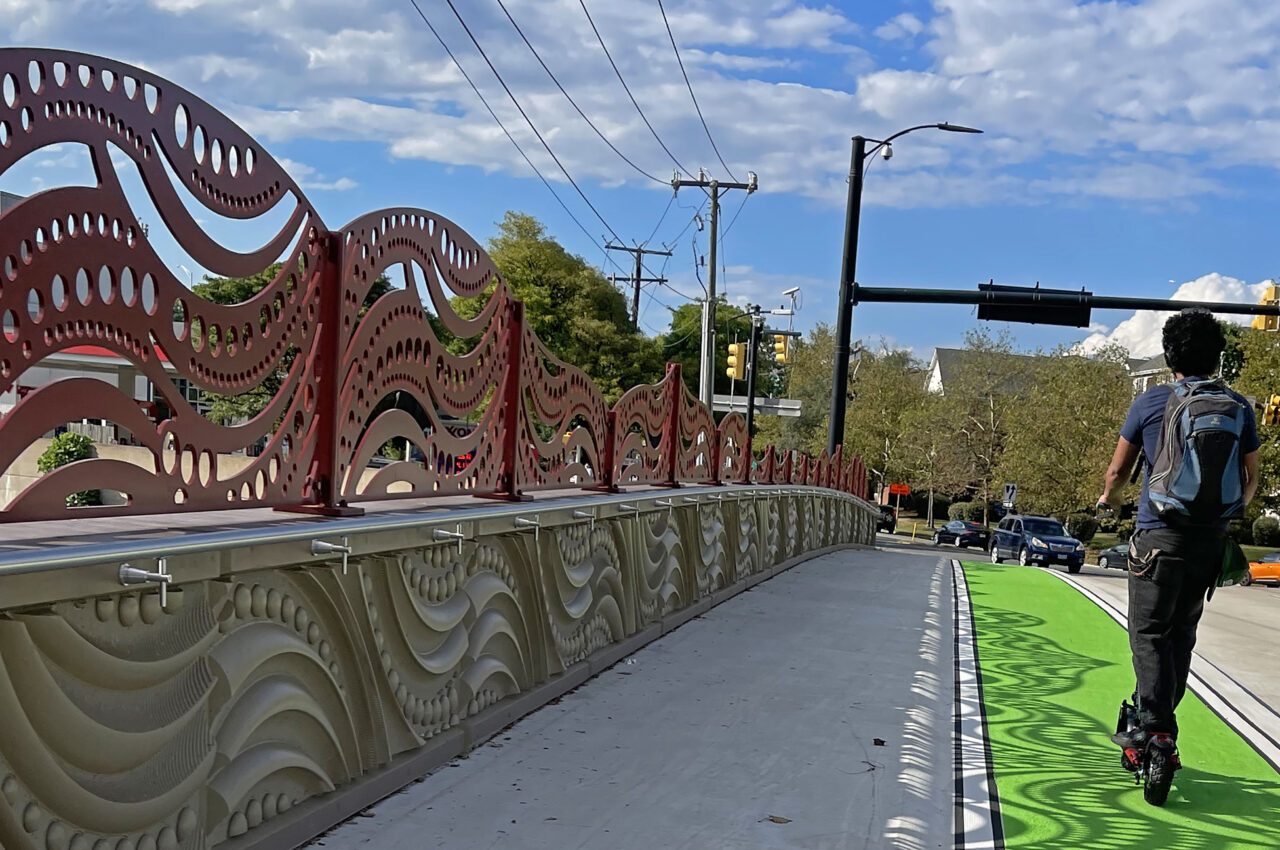

Scott System worked directly with Vicki Scuri through an iterative R&D process, producing test pieces in XPS foam and reviewing them together in person. The design was adjusted throughout testing until the relief achieved the aesthetic Scuri envisioned.
Once the design was established, Scott System utilized a coated HDU mold-making process to help ensure the finished concrete remained consistent with the look and character of Scuri’s past work.

Custom Formliners: Developed specifically for the bridge’s artistic concrete barriers
Coated HDU Mold: Created to achieve the desired relief and consistent surface finish
Through close collaboration with Vicki Scuri, Scott System translated the artist’s flowing design into custom architectural concrete formliners while preserving the character of her work. The finished barriers complement the bridge’s cut metal railings, bringing the water-inspired pattern across multiple materials and helping connect the restored bridge to its surrounding environment.